Mastering Print Placement: Engineered Graphics vs. Allover Repeats
In the apparel industry, dealing with surface design generally falls into two distinct categories: allover repeat patterns and engineered prints. Understanding how to manage both virtually is the key to maintaining margin and speeding up your time-to-market. At 4fashionai.com, our AI infrastructure is purpose-built to handle the unique complexities of both styles.
Perfecting the Allover Repeat
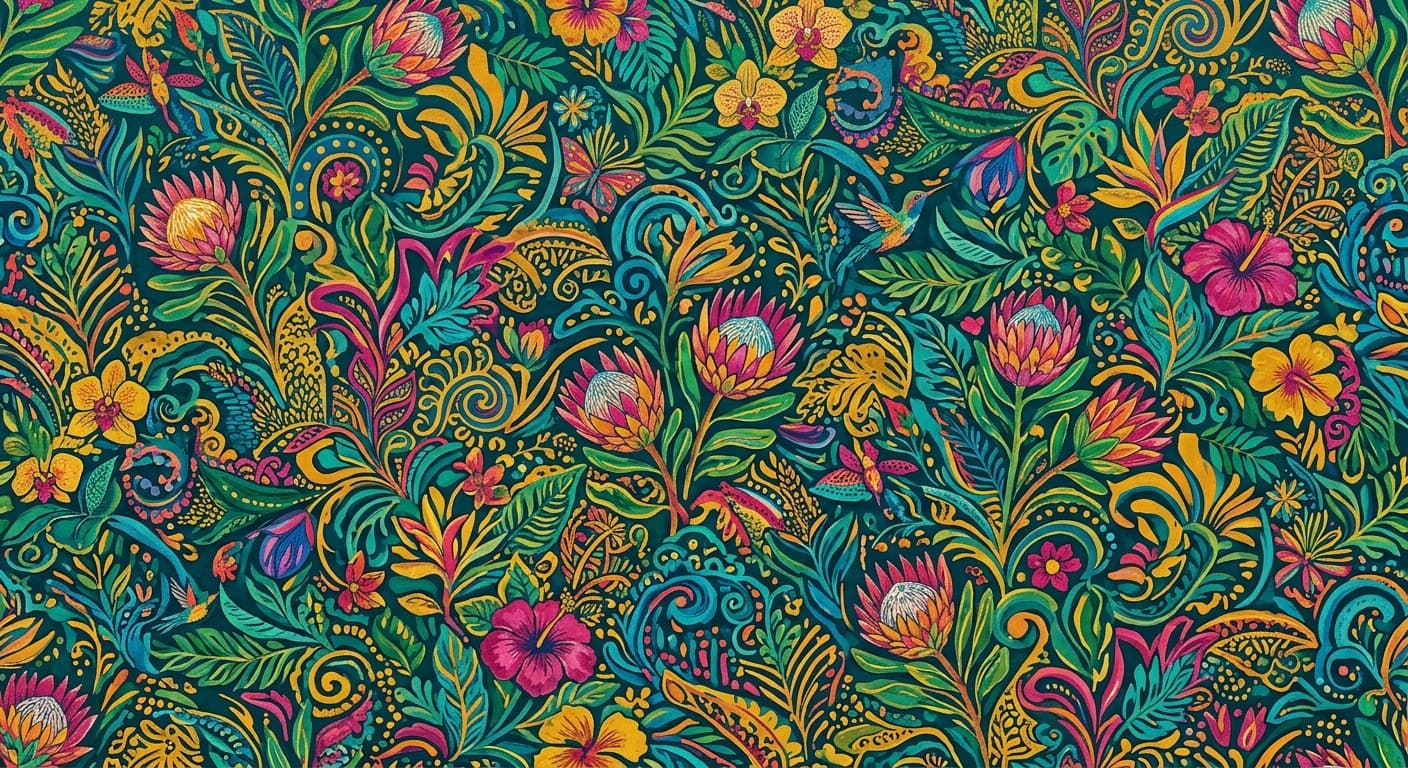
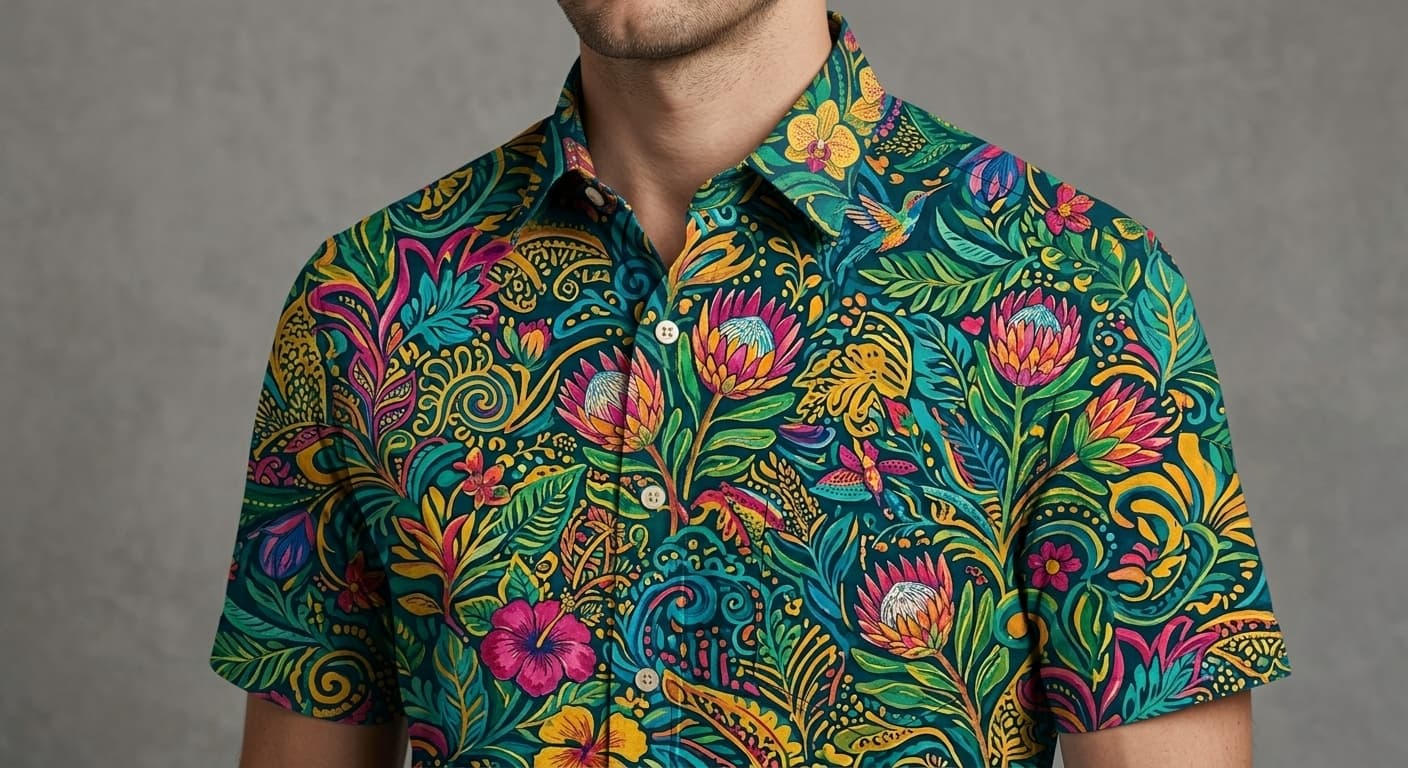
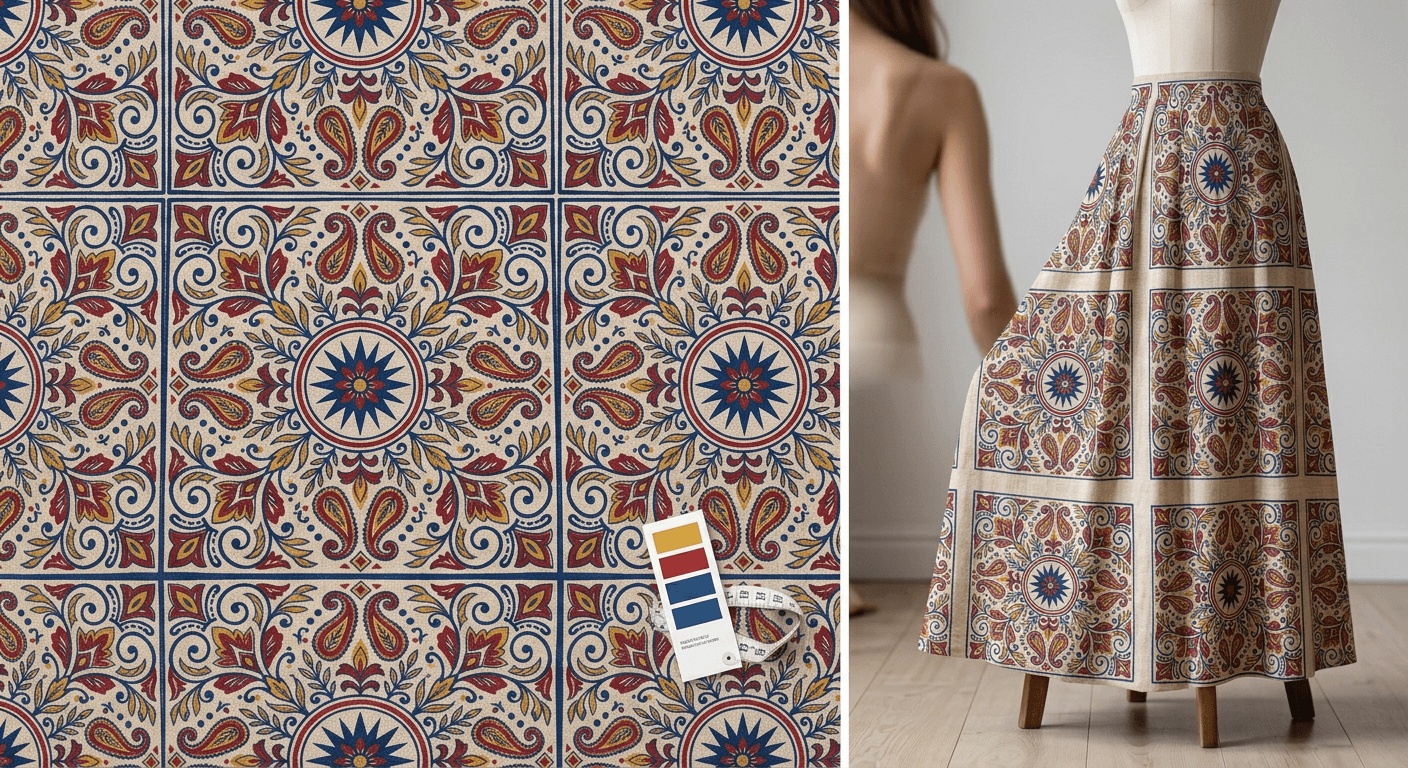
Allover repeats require meticulous attention to the "join" where the tile of artwork connects to itself. When printing yards of fabric, any error in the repeat calculation becomes glaringly obvious, creating unwanted stripes or grid lines in the finished garment. Our AI visualizer allows you to tile your artwork across various garment templates, manipulating the scale percentage in real-time. Whether you want a micro-ditsy floral or a massive, dramatic abstract sweep, you can preview the density before ordering your strike-offs.
The Complexity of Engineered Print Placement
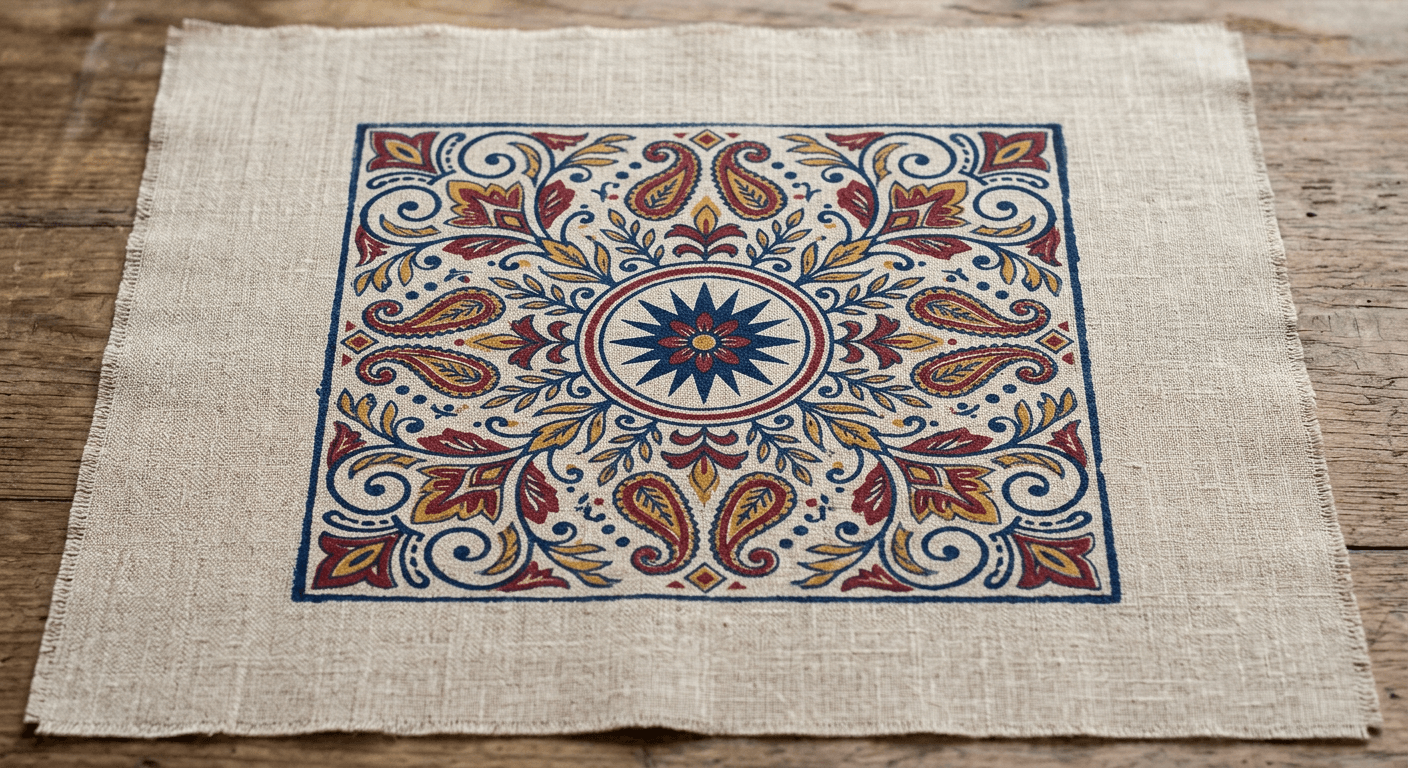
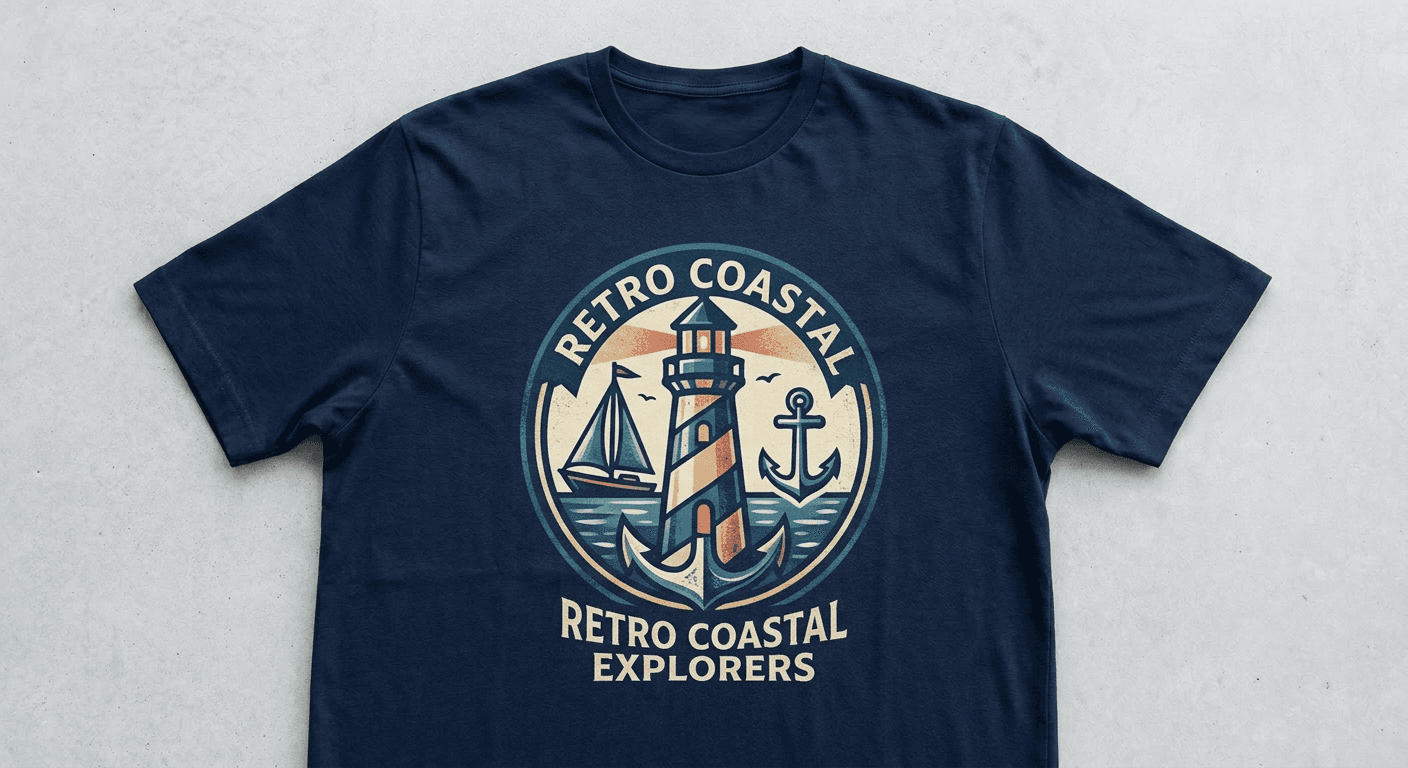
Engineered prints are graphics designed to sit on a very specific part of the garment—like a sweeping dragon motif that wraps precisely around the side seam, or a typographic logo placed squarely at the high chest. This requires strict alignment between the 2D pattern piece and the artwork. Using our platform, you can lock your graphics to specific coordinates on the garment. By previewing this digitally, brands ensure that critical elements of the design are not accidentally sewn into a dart, lost in a seam allowance, or distorted by the neckline grading.
Sustainability Through Digital Workflows
Beyond pure aesthetics, the ability to preview custom prints and graphics on garments before production is a massive leap forward for sustainable fashion. The traditional sampling process involves printing multiple yards of fabric (strike-offs), cutting, sewing, and shipping. If the scale is off, the sample is discarded, and the process repeats. By shifting to 4fashionai.com's virtual visualization, brands dramatically reduce their carbon footprint, textile waste, and chemical dye usage associated with iterative sampling.
Bridging the Gap Between Design and the Factory
Communication with overseas or even local manufacturers can be challenging when relying solely on tech packs. A flat sketch with a red box indicating "place logo here" leaves too much room for interpretation. Providing a hyper-realistic 3D rendering of the garment with exact placement, scale, and repeat from 4FashionAI serves as a foolproof visual contract. Factories understand exactly what the final output should look like, reducing error rates to near zero.