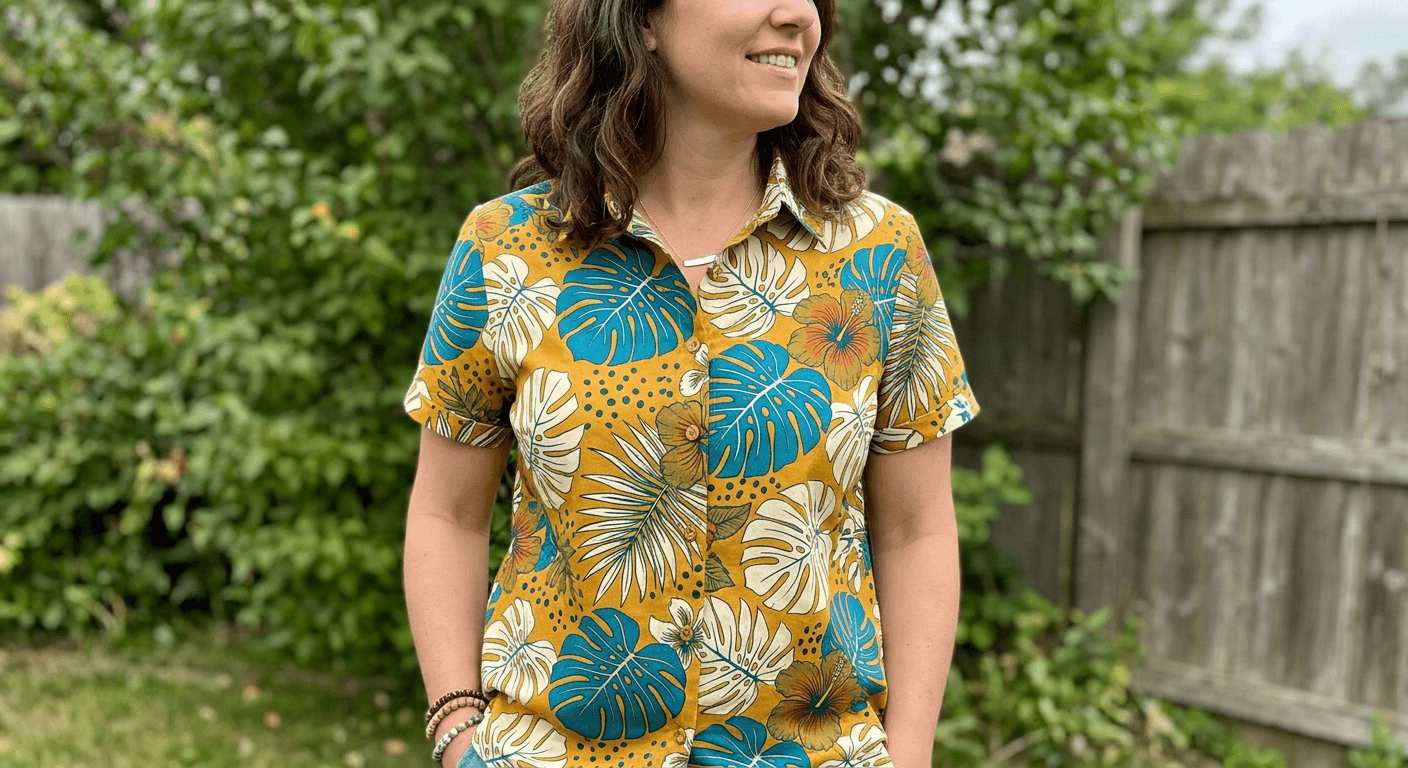
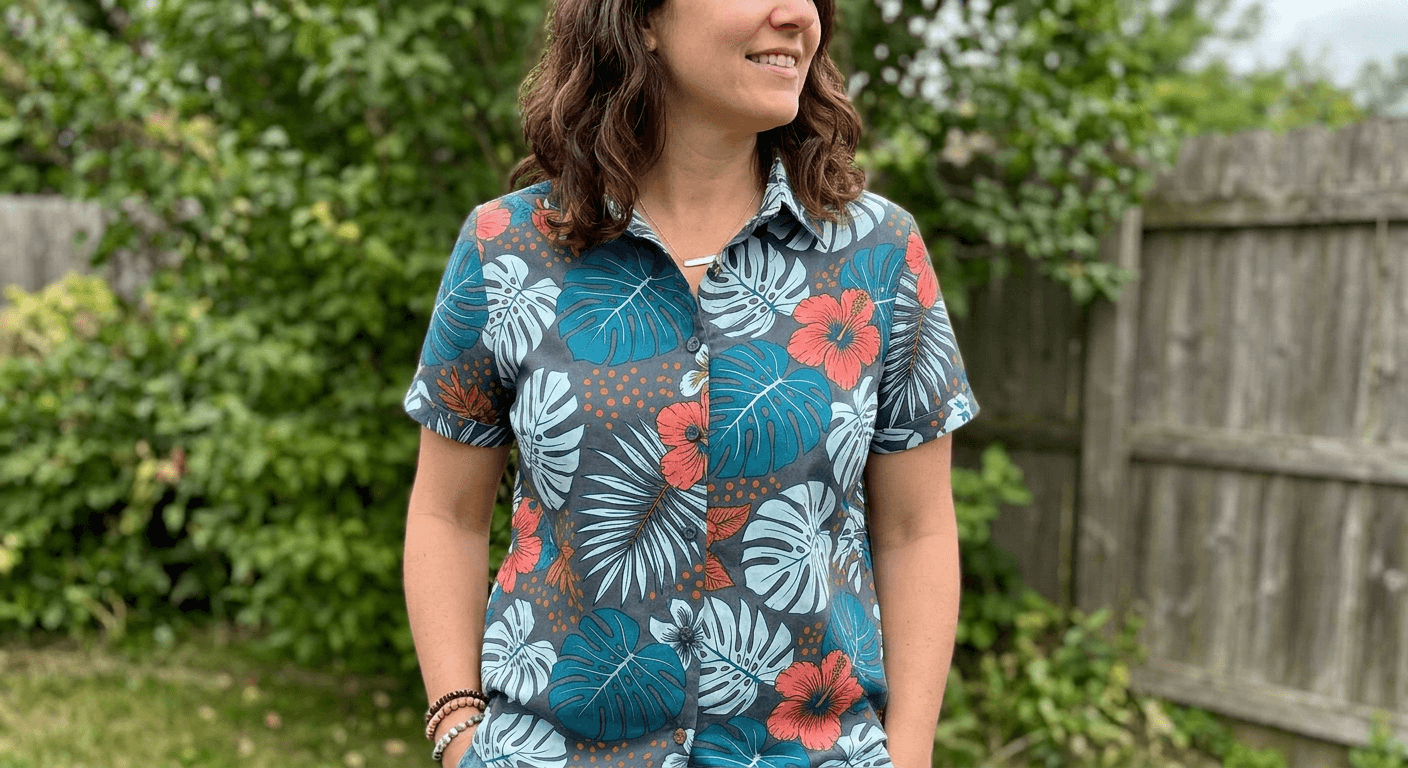
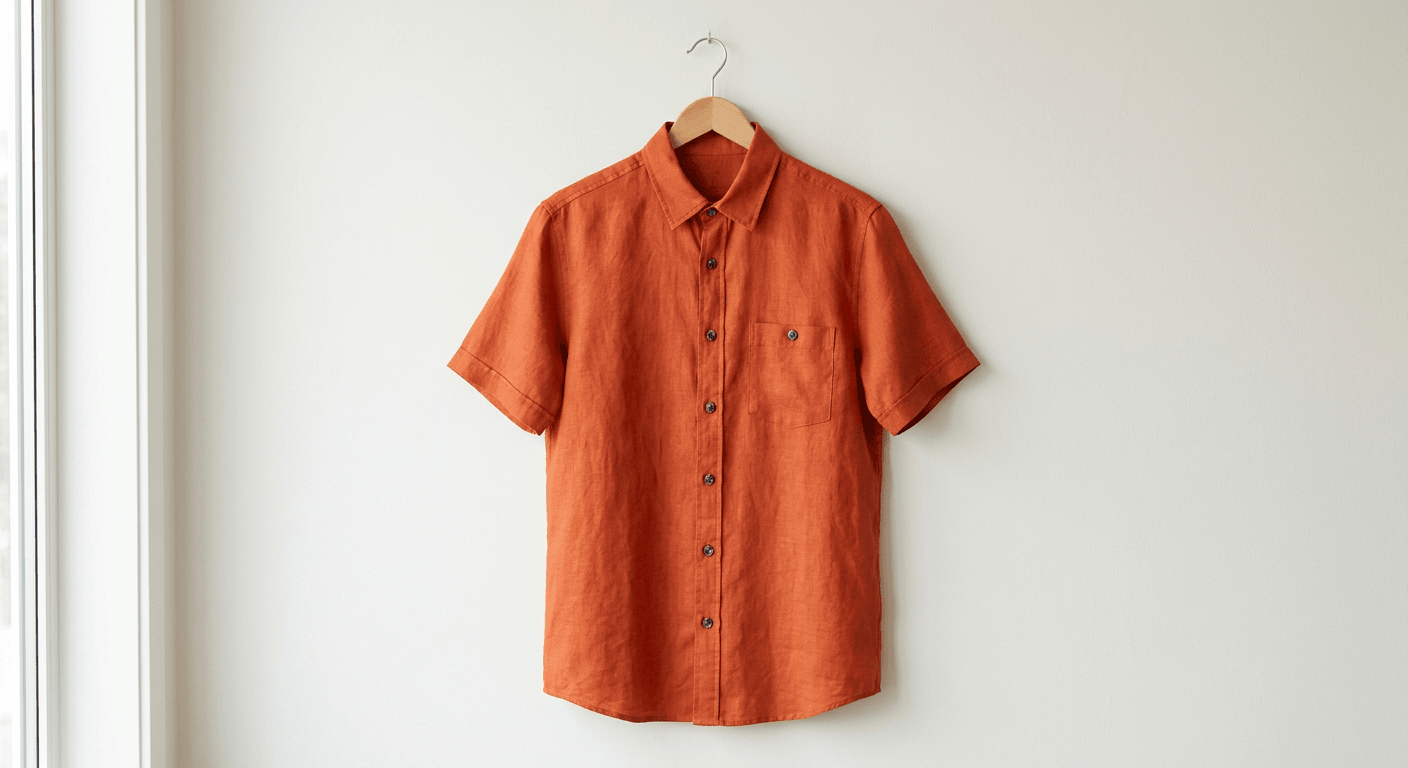
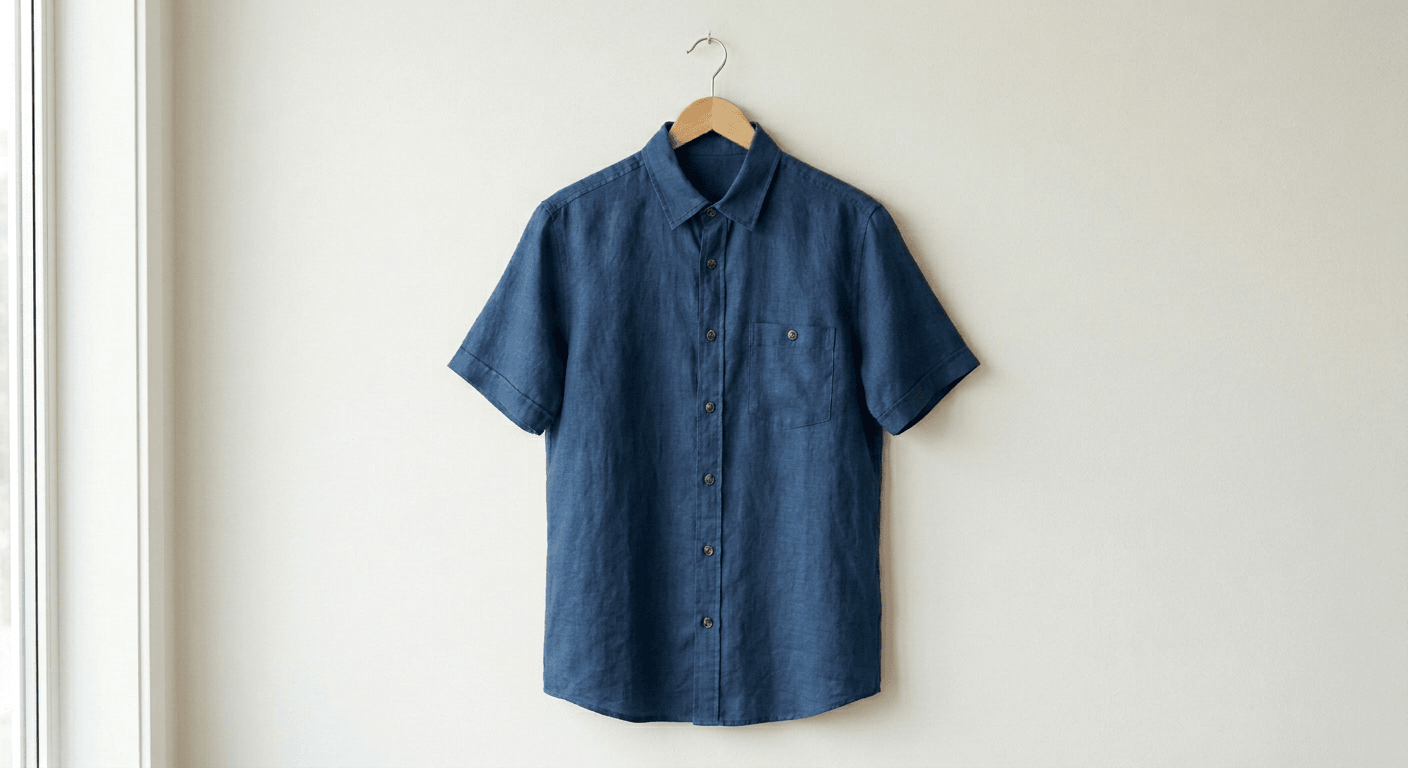
Displaying accurate colors in clothing photos is notoriously difficult. Unlike hard goods, apparel is highly susceptible to metamerism—a phenomenon where colors appear different under varying light sources. A dress that looks perfectly maroon under the fluorescent lights of your warehouse might look rust-orange under the strobe lights of your photography studio, and completely different again when viewed on a customer's smartphone screen.
How Lighting Affects Clothing Photography
Standard digital cameras struggle to interpret the complex interplay of light on highly textured fabrics like velvet, silk, or ribbed knits. Light wraps around threads and bounces off dyes in ways that cameras often misinterpret, leading to issues with white balance and exposure. When a camera tries to auto-correct, it frequently shifts the entire color spectrum of the image, pulling accurate hues into inaccurate territories.
Historically, solving this required professional retouchers to spend countless hours in Adobe Lightroom or Photoshop. They would need to manually create clipping paths around the clothing, adjust color curves, manage hue/saturation layers, and constantly reference a physical swatch of the fabric. This manual bottleneck slows down the time-to-market for fast-fashion brands and creates high overhead costs.
The 4FashionAI Solution for Accurate Color Representation
4FashionAI revolutionizes this workflow by replacing manual masking with advanced artificial intelligence. Our deep learning models have analyzed millions of fashion images, allowing the AI to understand exactly what a specific fabric should look like under perfect, neutral daylight.
- Semantic Segmentation: The AI automatically identifies the garment, separating it from the background, the model's skin, and any props.
- Cast Removal: It identifies and neutralizes unwanted color casts caused by mixed lighting (e.g., combining window light with a tungsten modeling lamp).
- Texture Retention: While traditional editing can sometimes "flatten" an image when adjusting colors, 4FashionAI preserves the micro-contrast of the weave, ensuring the fabric still looks tangible and luxurious.
- Consistency Across Collections: Ensure that your entire seasonal line looks cohesive on your category pages, with no unexpected color variations between shots.
Reducing Color-Related Returns & Increasing Sustainability
Beyond the immediate visual benefits, accurate color correction plays a massive role in e-commerce sustainability and profitability. "Reverse logistics"—the process of handling returns—is incredibly costly and heavily carbon-intensive. When an item is returned because "the color didn't match the photo," the brand absorbs shipping costs, restocking fees, and potential damage to the garment.
By ensuring your fabrics look true-to-life from the moment the customer clicks "Add to Cart," you drastically reduce this specific return rate. It sets honest expectations, builds long-term consumer trust, and aligns your brand with more sustainable retail practices by minimizing unnecessary shipping cycles.