Convert Polished Illustrations into Photorealistic Imagery
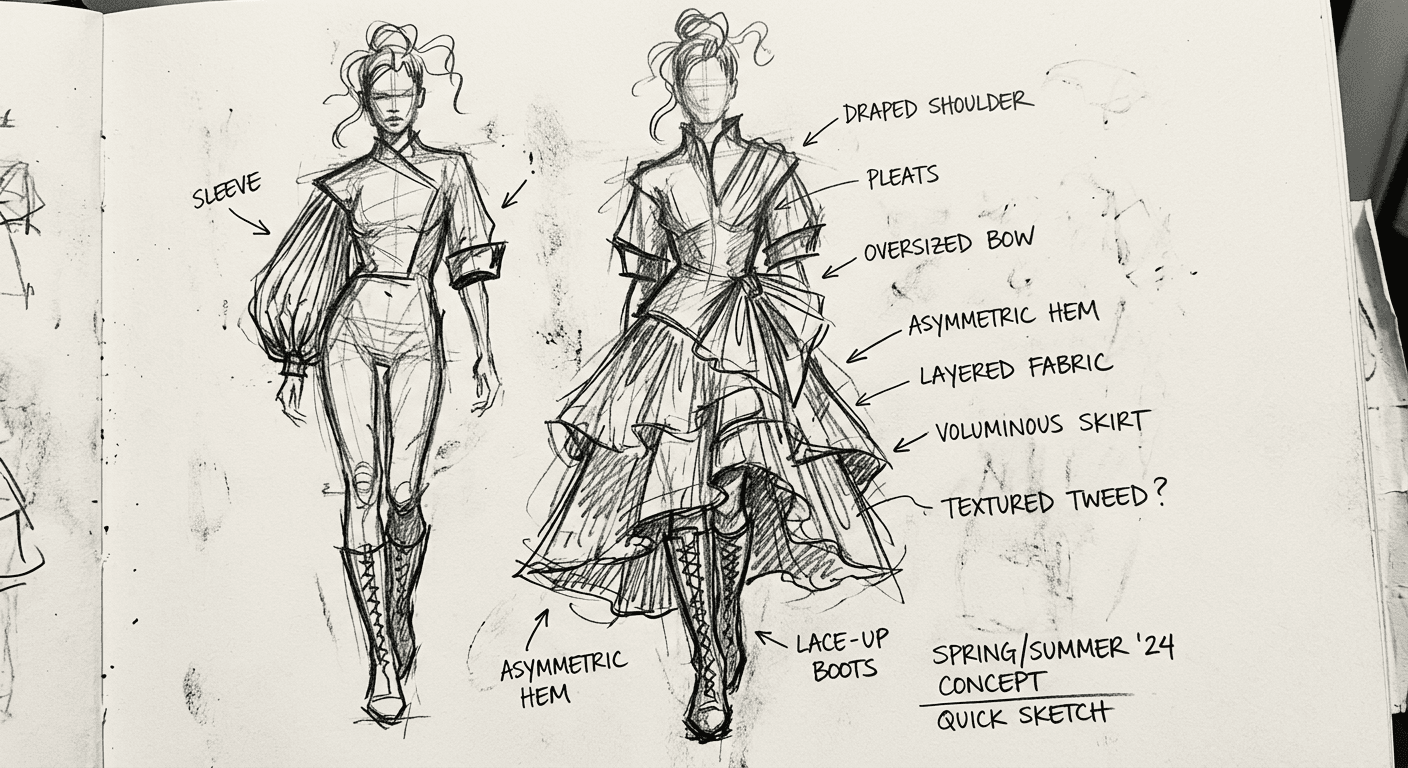
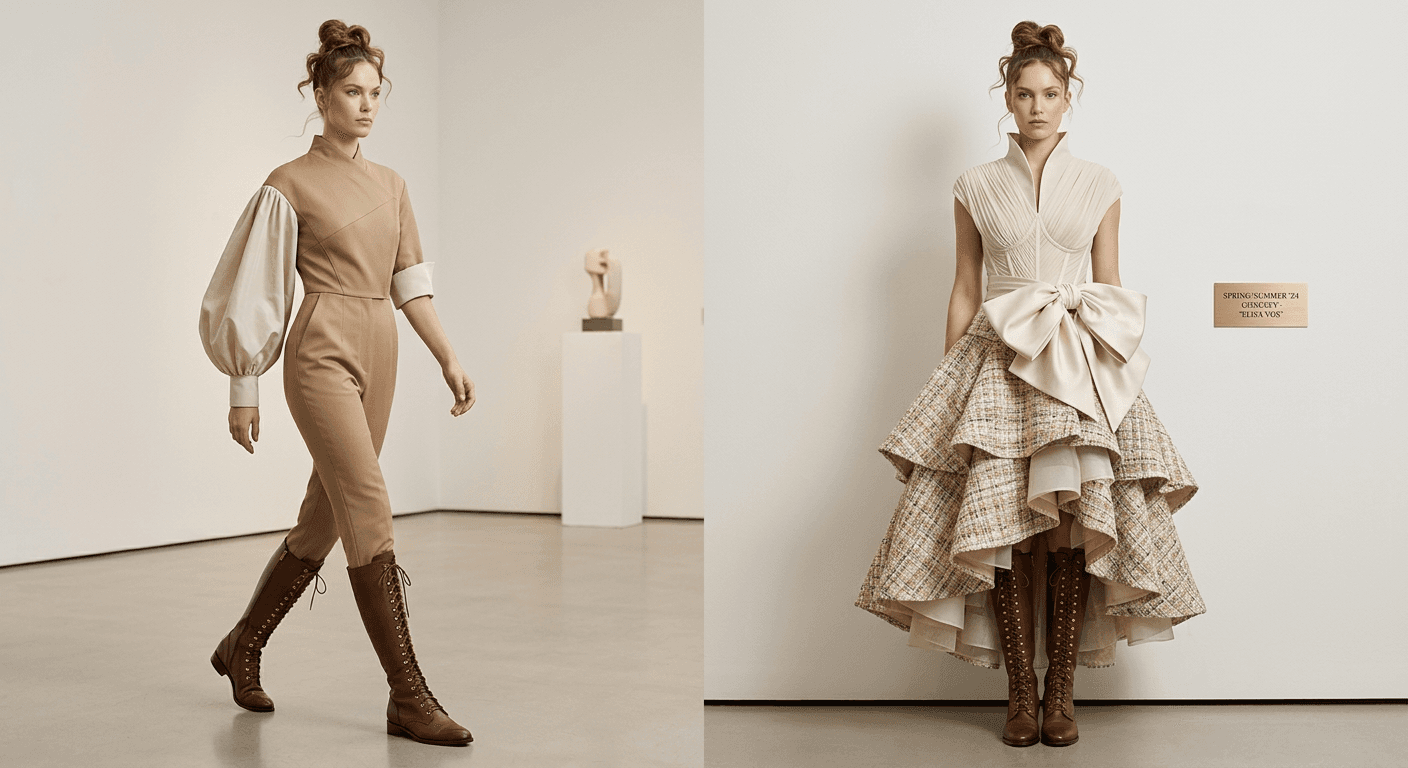
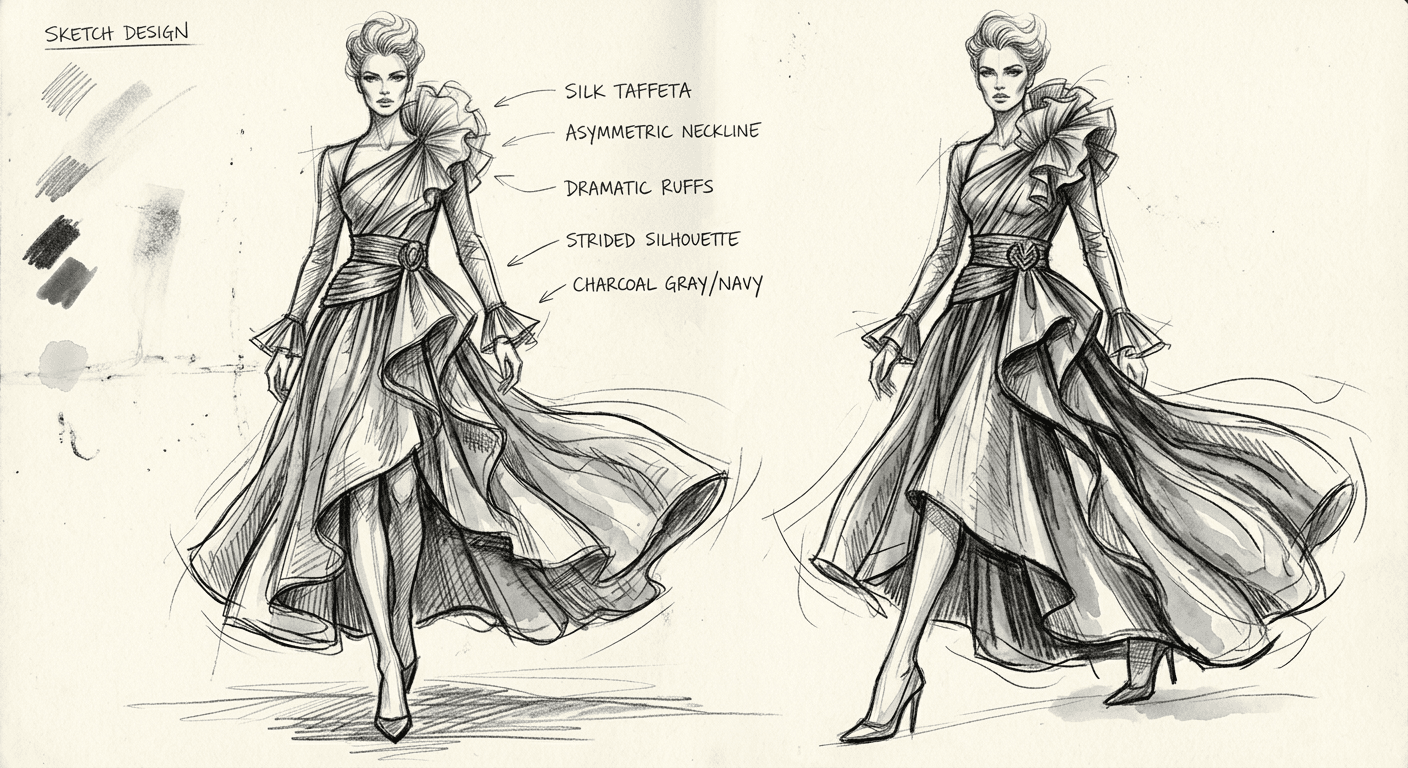
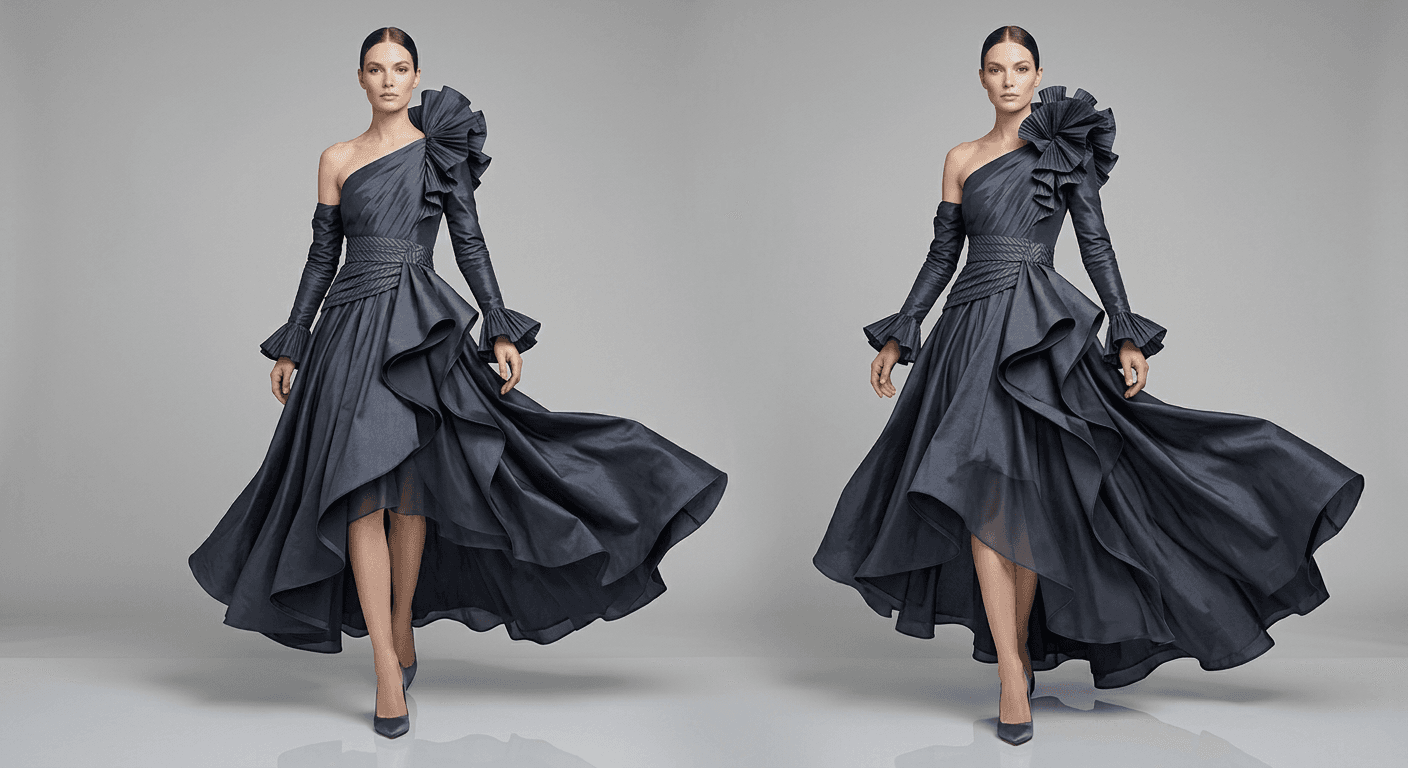
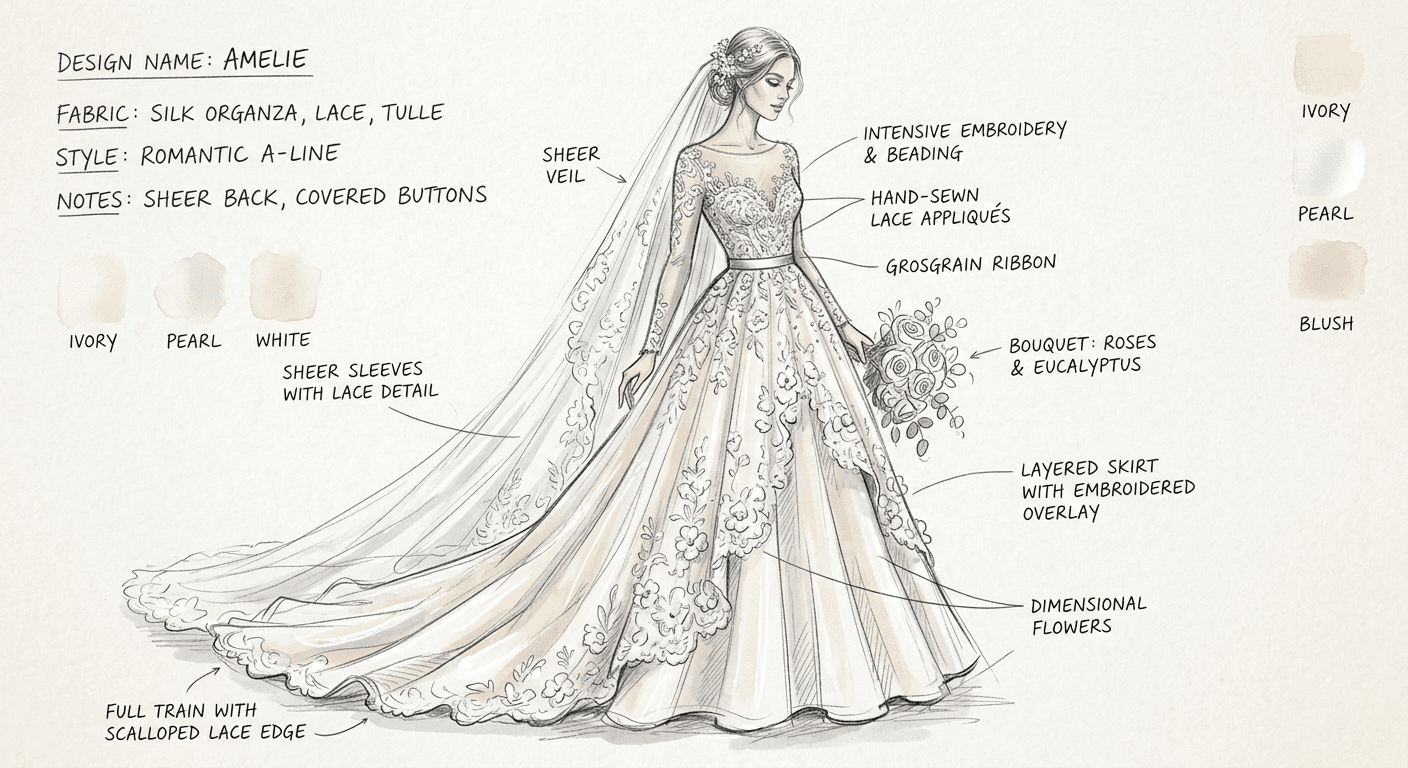
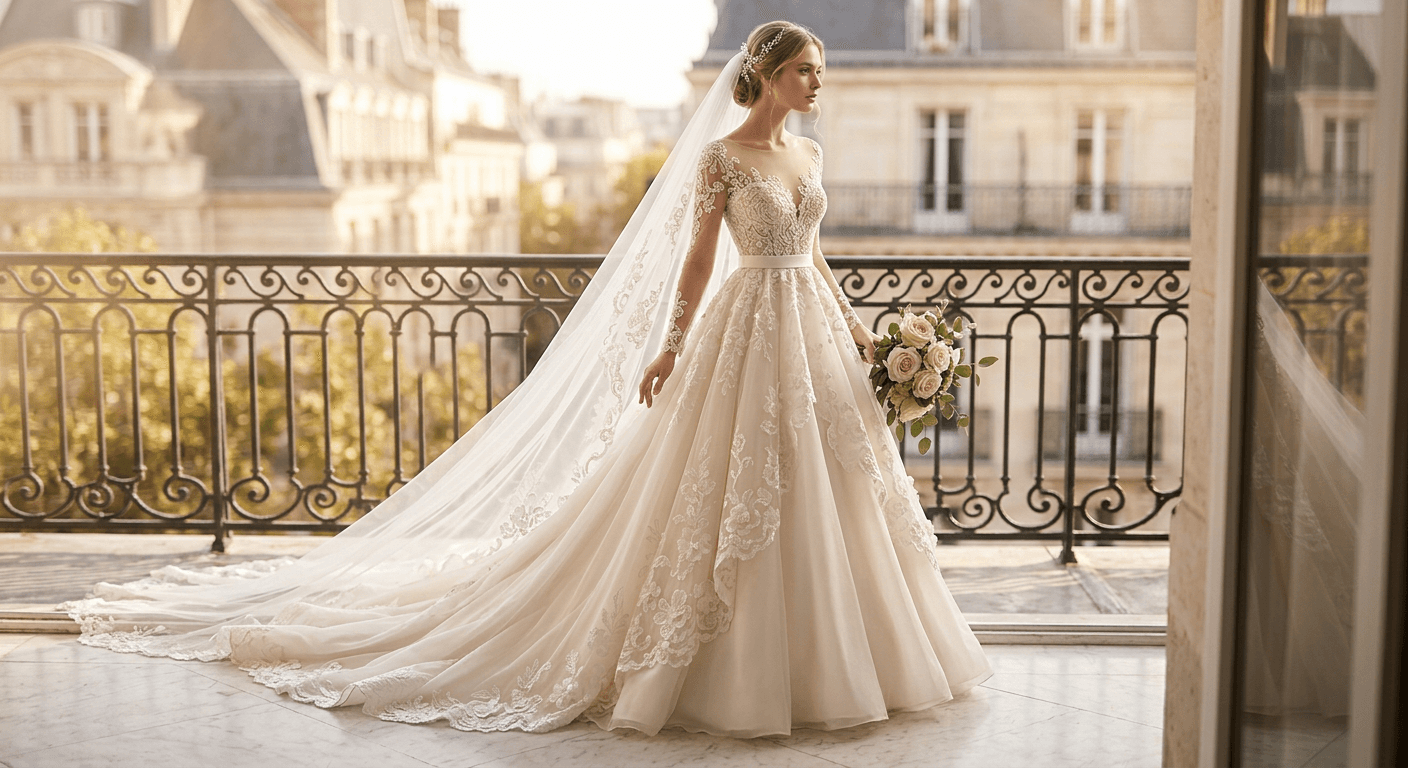
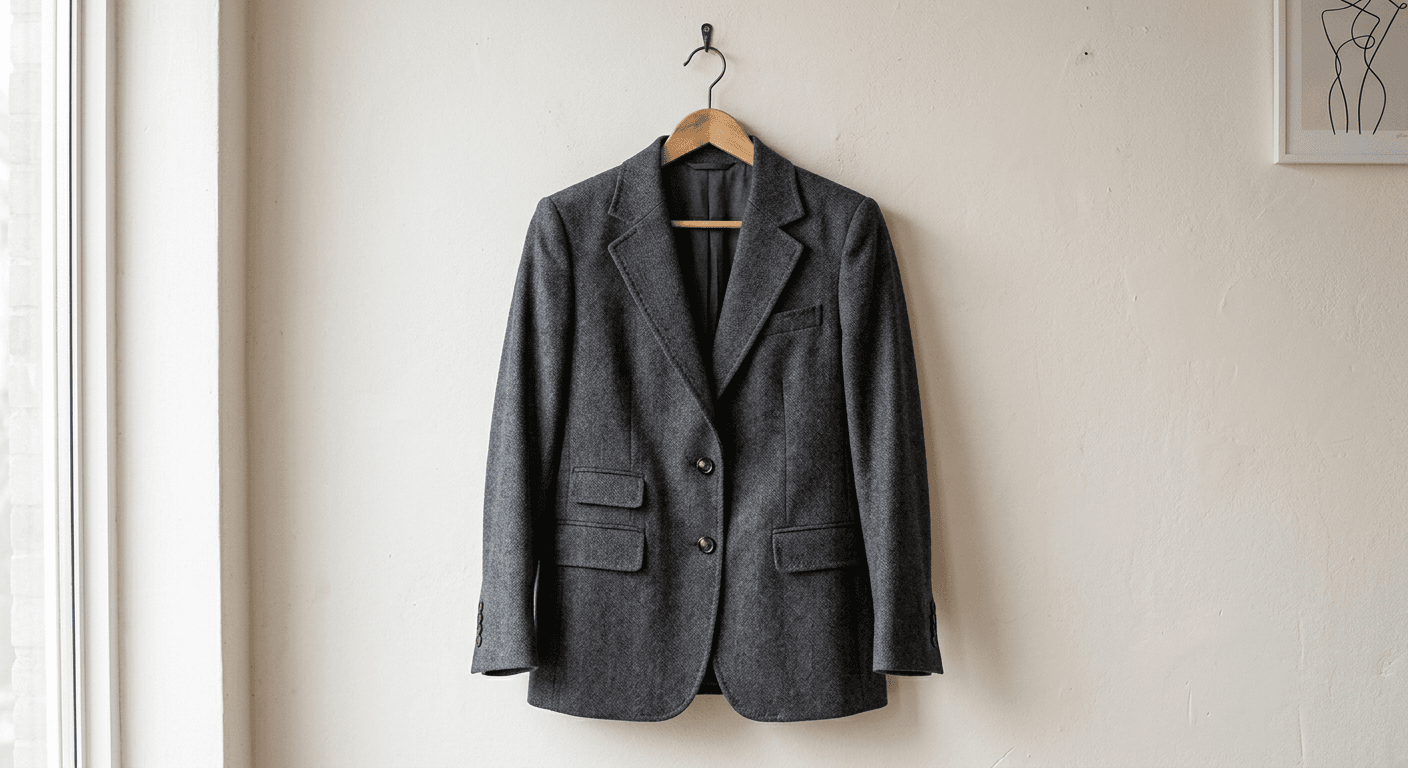
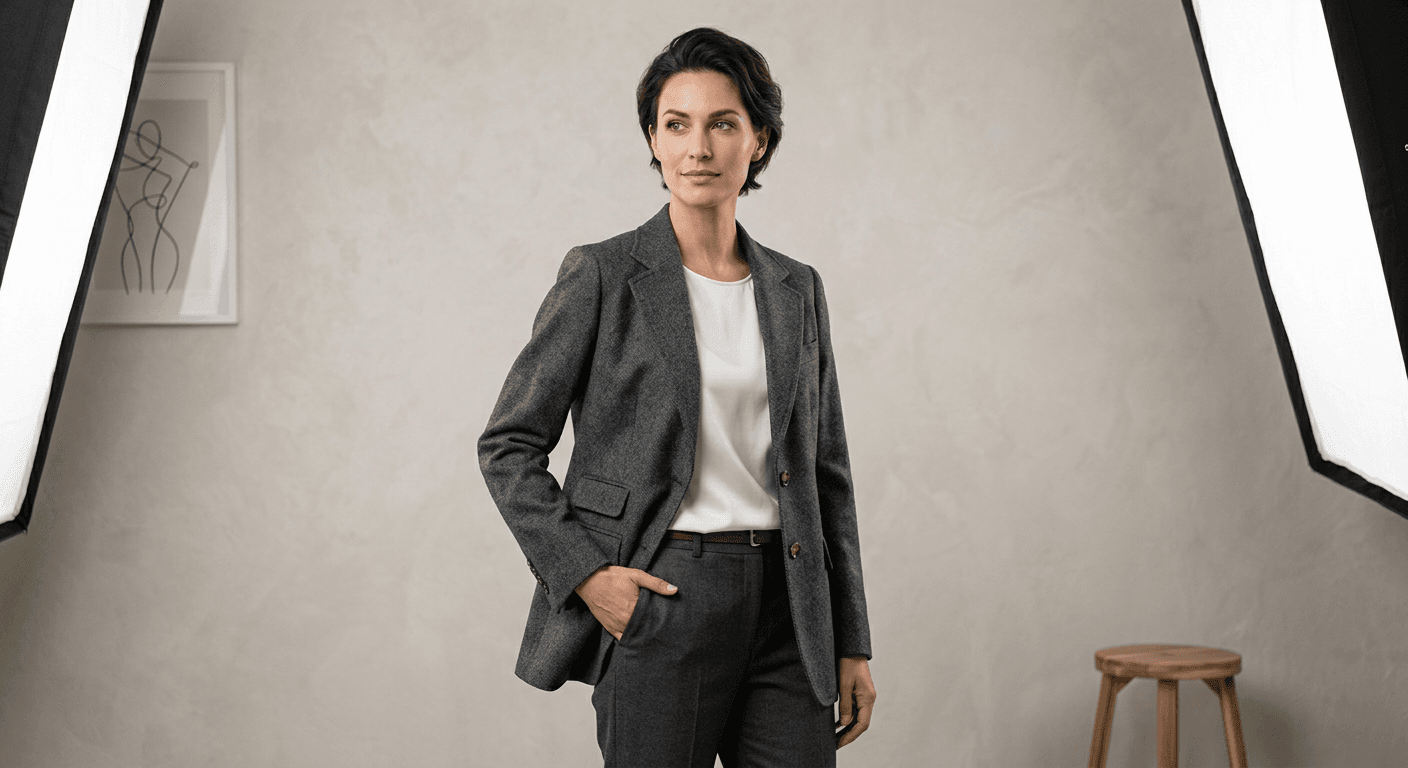
Bridge the critical gap between visionary art and tangible production. 4fashionai translates your stylistic 2D sketches into hyper-realistic, studio-quality photographs—bypassing the traditional sampling phase and accelerating your time-to-market.
See the Transformation
From conceptual artwork to production-ready visualization in seconds.


Experience the Engine
Input your descriptive vision below. Our proprietary model analyzes artistic intent—draping, silhouette, and fabric tension—to construct a flawless photographic output.
Bridging the Gap Between Art & Production
For decades, the fashion industry has operated on a disjointed timeline. A designer creates a stunning, emotive illustration, capturing the essence and movement of a garment. Yet, translating that 2D artistic vision into a physical prototype requires rounds of pattern making, toile creation, and material sourcing—often resulting in a final piece that strays from the original spark.
4fashionai.com fundamentally disrupts this archaic workflow. By leveraging advanced neural networks explicitly trained on textile physics, garment construction, and haute couture photography, our platform interprets your stylized illustrations with breathtaking accuracy.
We don't just apply a filter. The AI understands the difference between the stiff structure of duchesse satin and the fluid cascade of silk chiffon. It calculates how studio lighting should interact with micro-textures, bridging the gap between an abstract sketch and a production-ready tech pack visualization.
Eliminate the "Imagination Gap"
Stakeholders, buyers, and merchandisers often struggle to envision a finished product from a raw sketch. By presenting them with photorealistic imagery, you secure approvals instantly and align your entire supply chain before a single yard of fabric is cut.
Hyper-Accurate Material Simulation
From the heavy drape of Melton wool to the translucent sheen of organza, our AI maps physical material properties onto your 2D lines. It accounts for gravity, tension, and seams, ensuring the generated image represents a garment that can actually be manufactured.
Accelerate Go-To-Market Strategy
Generate complete lookbooks, e-commerce assets, and marketing materials directly from initial illustrations. Test market demand with stunning visuals weeks or months before physical inventory arrives at the warehouse.
Designed for the Modern Fashion Pipeline
Our illustration-to-photo converter isn't a generic AI image generator. It is a purpose-built architectural tool for fashion designers, meticulously engineered to respect construction logic.
Preservation of Artistic Intent
Whether your style is minimalistic line art or expressive watercolor, 4fashionai identifies your core design elements—silhouettes, cutouts, hardware, and proportions—and strictly adheres to them during the photorealistic translation process.
Studio-Grade Lighting Models
Every converted image acts as a virtual photoshoot. The AI simulates high-end studio setups, including softboxes, rim lighting, and dramatic shadows, giving your designs the editorial quality required for Vogue-level presentations.
Instant Iteration Cycles
Want to see how your illustration looks in crimson velvet instead of black leather? Adjust your prompts and regenerate instantly. Explore hundreds of material and colorways in the time it traditionally takes to source a single fabric swatch.
Frequently Asked Questions
How does AI turn a simple fashion sketch into a photorealistic image?
At 4fashionai, our deep-learning algorithms analyze your 2D sketch to map out the garment's topology. It uses contextual clues from your illustration to infer depth, fabric weight, and body interaction. By combining this structural map with an vast library of textile physics and photographic lighting techniques, it generates a lifelike rendering that bridges art and physical production seamlessly.
Can these generated images be used for lookbooks and marketing?
Absolutely. One of the primary use cases for our illustration-to-photo converter is generating high-fidelity pre-production assets. Because the outputs are 8k-ready and visually indistinguishable from actual studio photography, fashion brands use them to populate e-commerce stores, pitch to retail buyers, and run social media campaigns before manufacturing the physical garments.
What style of illustration works best for conversion?
The 4fashionai engine is highly versatile. It works phenomenally well with polished digital illustrations (like Procreate or Illustrator exports), traditional watercolor sketches, marker renderings, and even clean pencil line art. The more structural detail you provide in the sketch, the more accurate the photorealistic output will be regarding seams, darts, and hardware.