The High Cost of Traditional Embroidery Prototyping
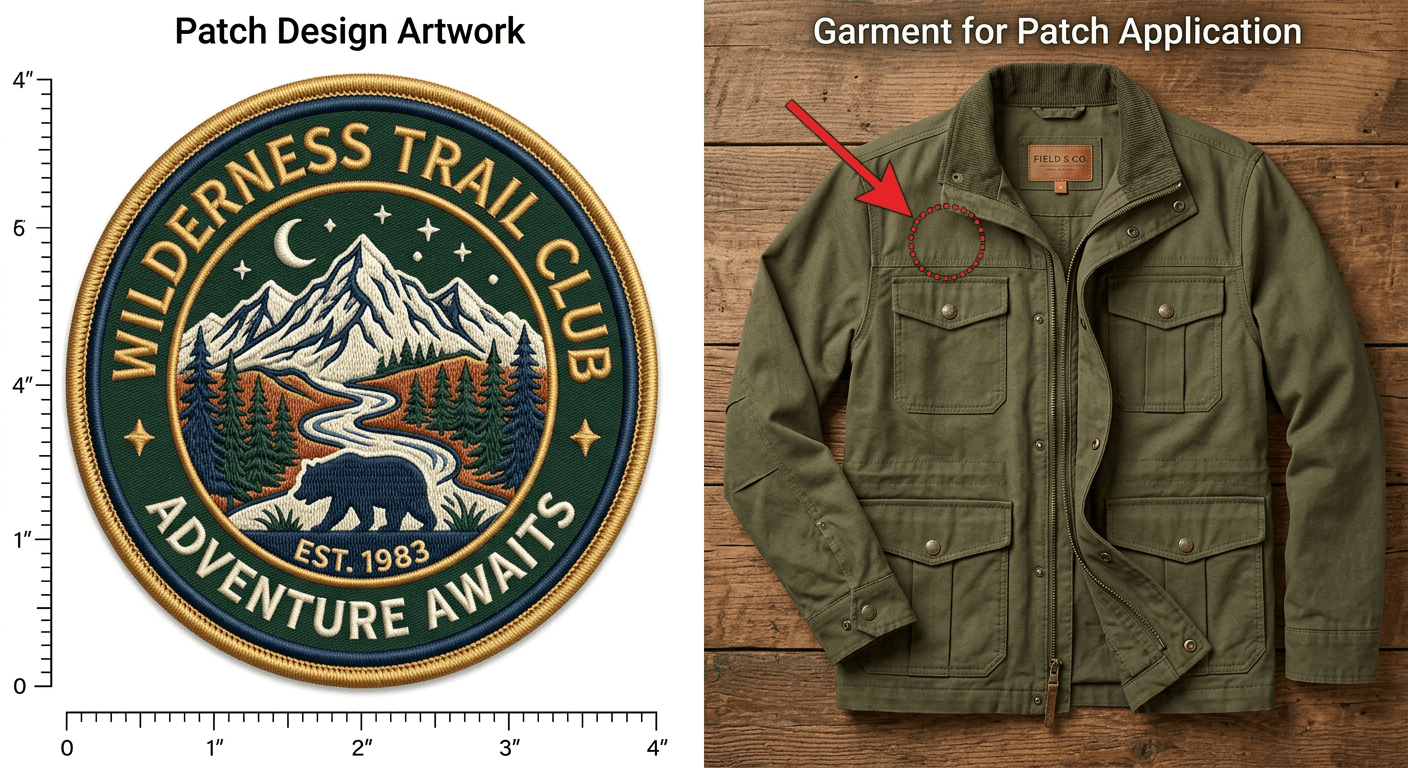
For decades, the apparel industry has relied on physical strike-offs and sewn samples to approve embroidery designs. This traditional method requires designers to send flat vector art to a digitizer, who then plots the path, stitch types (satin, fill, run), and densities. The manufacturer then loads a machine, selects threads, hoops the garment, and sews the sample.
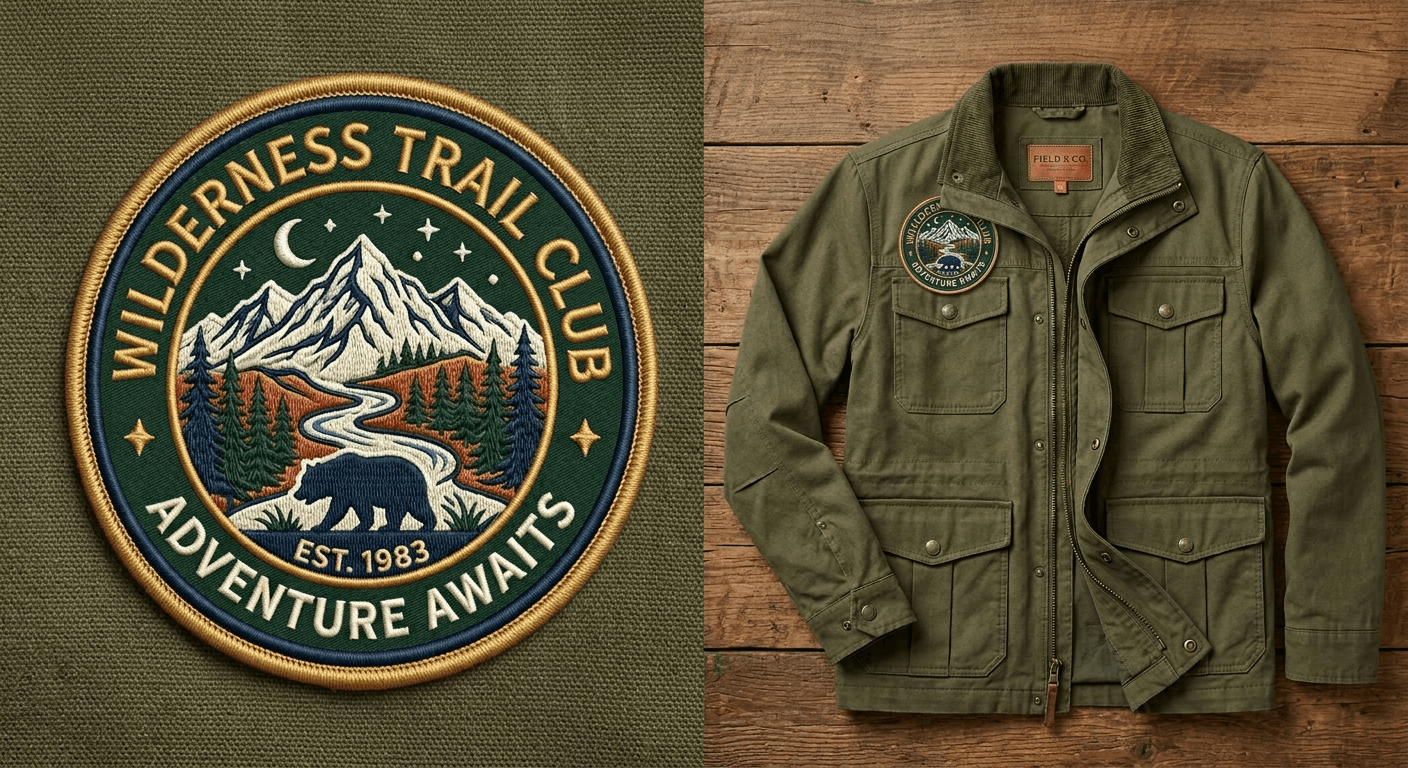
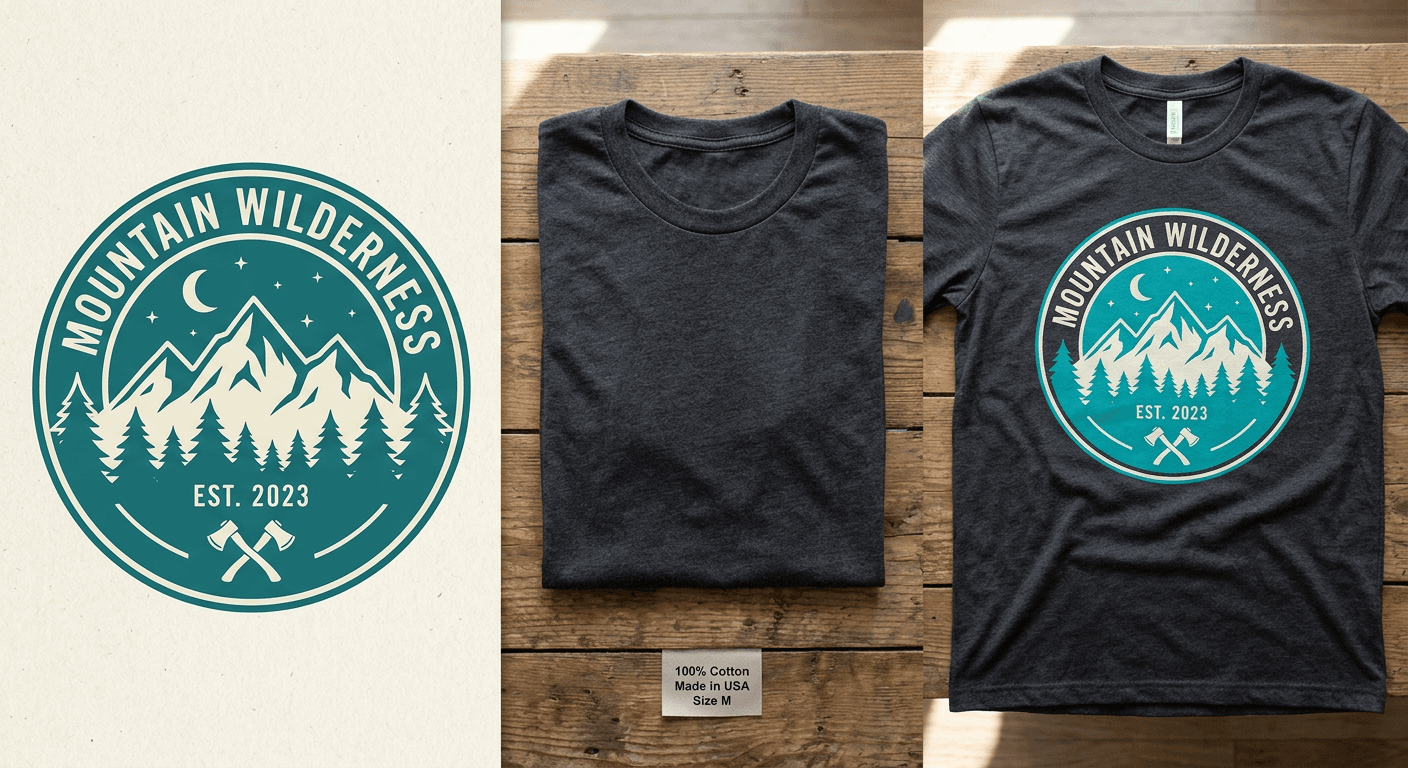
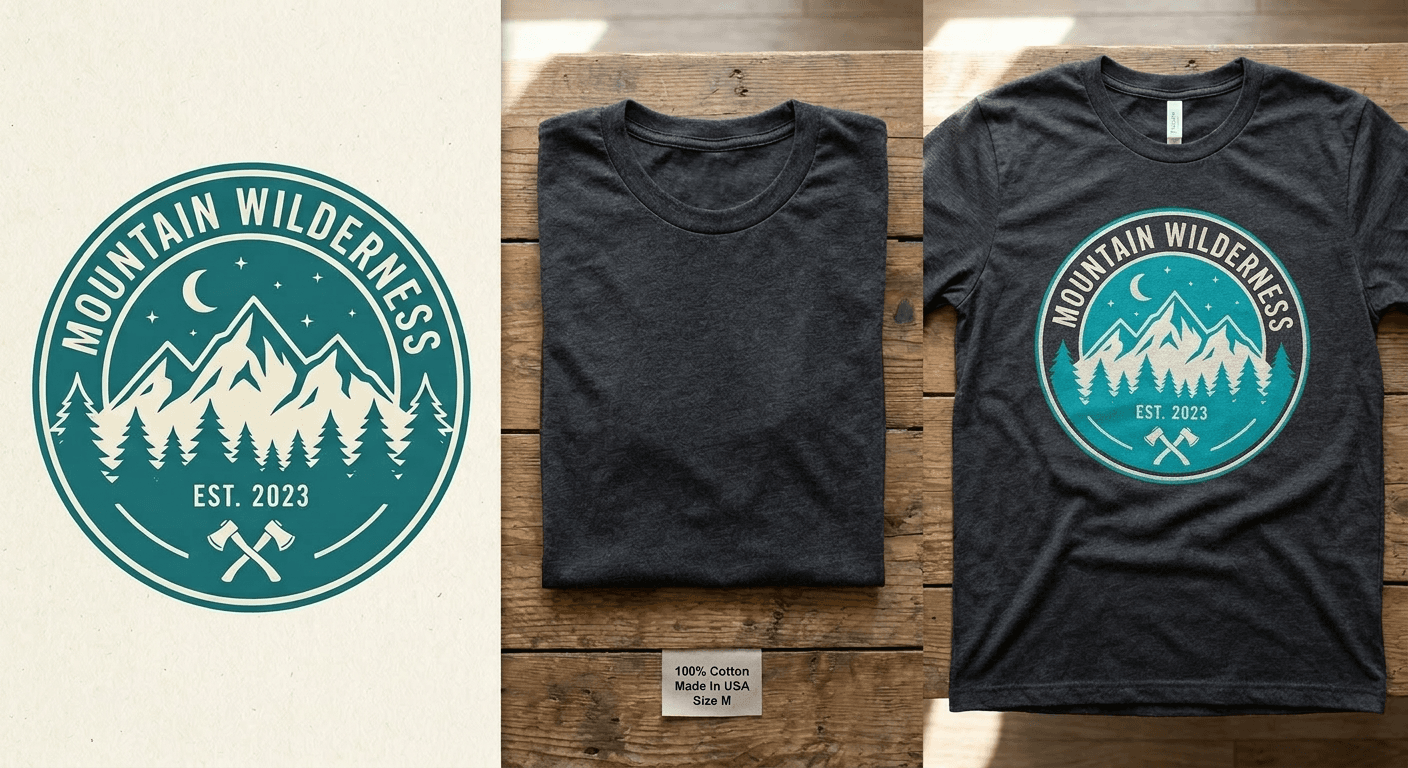
If the scale is off by a fraction of an inch, if the thread colors clash under natural lighting, or if the placement interferes with a seam, the entire costly, time-consuming process must begin again. At 4fashionai.com, we recognized that the fashion industry needed a leaner, more sustainable approach. Our AI-driven platform allows you to preview embroidery designs on garments with startling realism, simulating everything from thread sheen to fabric puckering.
Simulate Thread Colors
Rayon, polyester, and metallic threads reflect light differently. Our AI analyzes ambient lighting and renders the exact sheen and saturation of your chosen thread colors against the underlying fabric dye.
Perfect Scale & Proportion
A 3-inch logo looks vastly different on a size XS polo shirt compared to a size XXL heavyweight hoodie. Visualize true-to-scale dimensions relative to the specific garment size and cut.
Realistic Placement Mapping
Garments are not flat canvases; they drape, fold, and stretch. Our engine maps your embroidery onto the 3D topology of the garment, accounting for chest curves, sleeve tapers, and zipper alignments.
Mastering Stitch Types and Fabric Interaction with AI
True embroidery visualization isn't just about slapping a high-resolution image onto a mockup. It's about physics. Different fabrics react differently to needle penetration and thread tension. A dense tatami fill stitch will sit perfectly on a heavy 14oz denim jacket, but may cause severe puckering on a lightweight 4oz silk blouse.
The 4fashionai.com ecosystem takes these variables into account. When you generate a preview of your embroidery design, our neural networks factor in the substrate's weight and weave. You will see realistic stitch angles, the subtle elevation of 3D puff embroidery, the directional light catch of satin stitches, and even the micro-shadows cast by the thread resting atop the fabric surface.
Why Brands are Switching to Virtual Embroidery Previews
- Massive Cost Reduction: Eliminate shipping costs, material waste, and labor fees associated with producing physical strike-offs that end up in the bin.
- Accelerated Time-to-Market: What used to take 2-3 weeks in sampling iterations can now be accomplished in seconds. Approve designs internally and send precise visual instructions to your factory instantly.
- Enhanced E-Commerce Capabilities: Generate photorealistic embroidered product imagery for your online store before the physical inventory even arrives at your warehouse. Pre-sell custom apparel with absolute visual confidence.
- Risk Mitigation for High-Value Items: When embroidering on expensive leather jackets or limited-edition outerwear, there is no room for error. Seeing the precise placement and scale beforehand ensures zero ruined stock.
Frequently Asked Questions
Can the AI simulate metallic or specialty threads?
Yes. 4fashionai.com uses advanced physically-based rendering (PBR) techniques to accurately simulate the high specularity and unique light-catching properties of metallic gold, silver, and neon polyester threads, giving you a true-to-life representation of premium finishes.
How accurate is the placement and scaling on different sizes?
Incredibly accurate. Our AI maps designs onto standard grading dimensions. If you specify a 4-inch wide logo for left-chest placement, the engine calculates the spatial relation to the collar, armhole, and center placket based on standard garment geometry, providing a highly reliable preview.
Does 4fashionai show thread tension or fabric puckering?
We believe in realistic, not just idealized, previews. If an exceptionally dense embroidery design is placed on a simulated lightweight fabric, our rendering engine will reflect the natural pull and subtle puckering that occurs around the edges of the design, allowing designers to adjust their stitch density before going to production.
Can I use these renderings for my tech packs?
Absolutely. The high-resolution outputs generated by 4fashionai.com are the perfect visual accompaniment to your manufacturing tech packs. They provide your factory with an unambiguous visual target for scale, thread color harmony, and exact placement, drastically reducing communication errors.