Visualize Sustainable & Eco-Friendly Fabrics instantly.
Eliminate physical sampling waste. With 4fashionai.com, preview how organic cotton, recycled polyester, Tencel, and hemp behave on your garments with hyper-realistic AI precision. Welcome to the future of eco-conscious apparel design.
The Power of AI in Eco-Textile Visualization
See the transformation. Our advanced neural networks analyze the base structure of your garment and seamlessly map complex, sustainable fabric textures—accounting for lighting, drape, and micro-shadows.

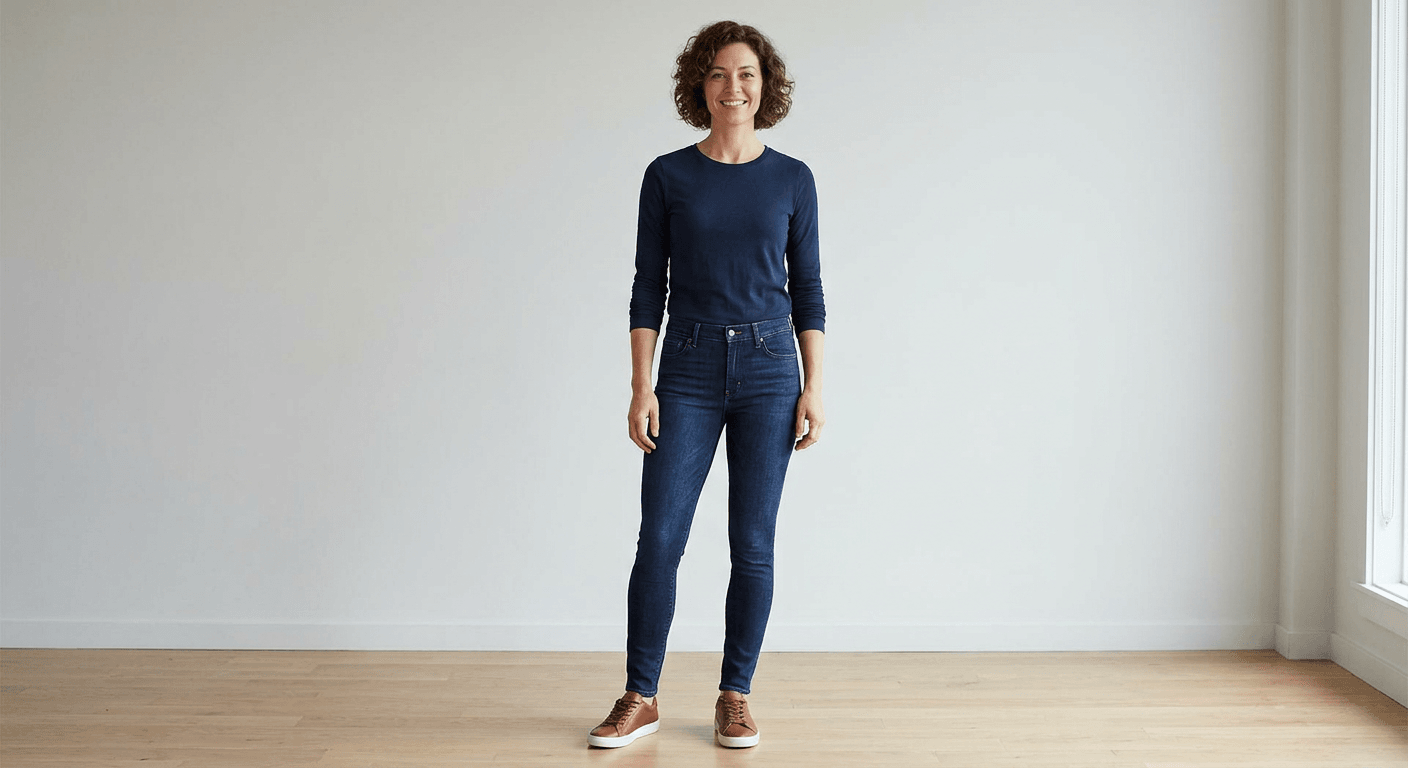
A standard digital concept lacking material definition, texture, and environmental context.

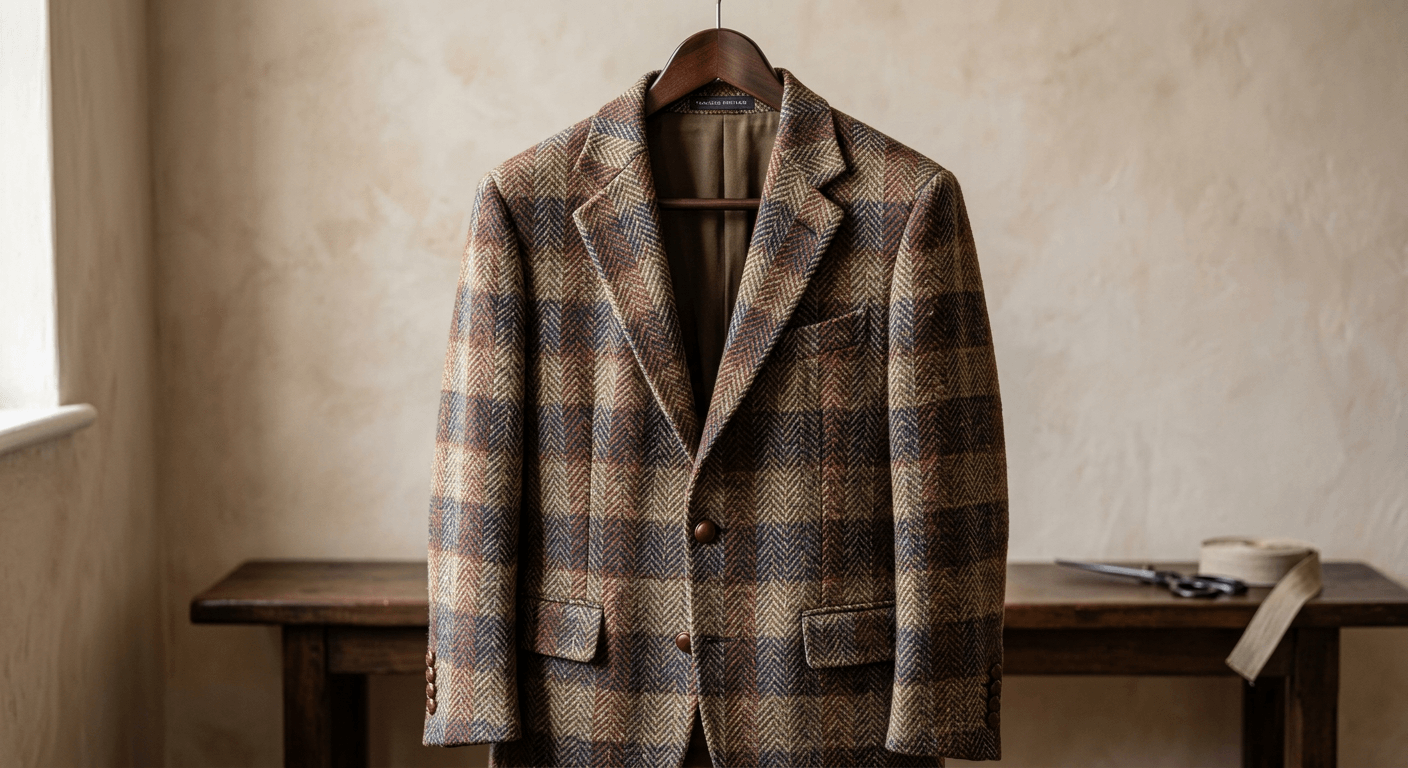
The 4fashionai platform maps rich, sustainable textiles with flawless drape, weave visibility, and dynamic lighting.
Visualizing the Big Four of Sustainable Textiles
Different fabrics behave differently. From the rugged resilience of hemp to the fluid elegance of Tencel, the 4fashionai rendering engine accurately simulates the physical properties of eco-friendly materials before a single thread is woven.
Organic Cotton
Grown without harmful chemicals and with significantly less water, organic cotton is a staple of sustainable fashion. However, capturing its pure, matte finish and soft structural hold in digital design has traditionally been difficult.
Using 4fashionai, designers can visualize the precise lack of artificial sheen. Our AI calculates how light diffuses across the unmercerized surface, allowing you to preview basic tees, structured jackets, or flowing skirts in pristine organic textures.
Recycled Polyester (rPET)
Transforming plastic bottles into high-performance activewear and outerwear, rPET requires a nuanced visualization approach. It inherently carries a subtle technical sheen and rigid drape compared to natural fibers.
The 4fashionai generation tool excels at rendering the distinct light reflection and durable tension of recycled synthetics. Perfect for visualizing eco-friendly puffer jackets, leggings, or weather-resistant gear without needing a physical prototype.
Tencel™ & Lyocell
Known for its ultra-soft feel, incredible drape, and closed-loop production process where 99% of water and solvents are recovered. Tencel is highly sought after for elegant, fluid fashion pieces.
When you prompt 4fashionai to render Tencel, the AI specifically optimizes for gravity. You will see deep, luxurious folds, a subtle silky luster, and a high-end finish that accurately represents how this sustainable cellulose fiber behaves on the human form.
Industrial Hemp
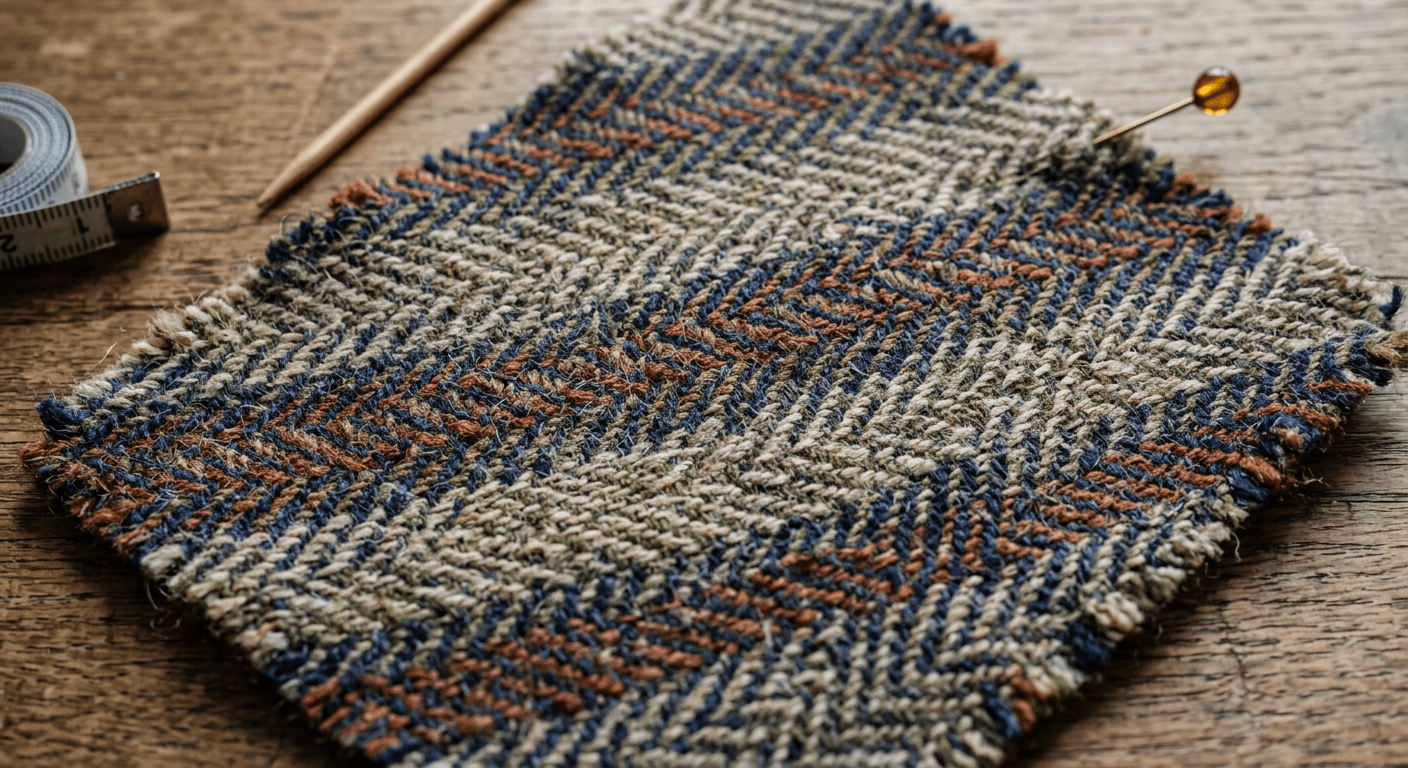
Hemp is an environmental powerhouse. It returns nutrients to the soil, requires minimal water, and needs no pesticides. Aesthetically, it offers a textured, linen-like look that grows softer with time.
Our AI masters the complex weave of hemp. By inputting hemp into the 4fashionai prompt, the generated garment will showcase a beautiful, slightly irregular organic texture, stiff initial drape, and an earthy authenticity perfect for sustainable resort wear or durable daily basics.
Why Virtual Fabric Prototyping is the Ultimate Sustainability Tool
The fashion industry is historically one of the most resource-intensive sectors on the planet. Traditional garment creation involves multiple rounds of physical sampling. Designers source fabric swatches, ship them globally, cut them, sew prototypes, and inevitably discard the versions that don't make the final cut.
By leveraging 4fashionai.com to preview sustainable and eco-friendly fabrics on garments, fashion brands can achieve a zero-waste design phase. Our artificial intelligence allows you to iterate endlessly in the digital realm. Want to see how a jacket looks in Recycled Polyester versus Organic Cotton? You can visualize the exact difference in texture, fit, and reflection in seconds, not weeks.
- Zero Sampling WasteEliminate the carbon footprint of shipping sample yardage and the landfill waste of rejected prototypes.
- Accelerated Time-to-MarketSkip the weeks waiting for eco-fabric suppliers. Validate your sustainable designs instantly.
- Cost ReductionSustainable fabrics often carry a premium price tag. Ensure the fabric suits the silhouette perfectly before purchasing raw materials.
- Enhanced Stakeholder Buy-InPresent buyers and investors with hyper-realistic images of eco-friendly collections before manufacturing begins.
The transition to sustainable fashion isn't just about changing the materials we use; it is about changing the methodology of how we design. The 4fashionai platform sits at the intersection of technological innovation and ecological responsibility, giving creators the ultimate toolkit to build a greener, more beautiful world.
Frequently Asked Questions
How accurate is the AI visualization of organic fabrics on 4fashionai?
Highly accurate. Our AI models have been trained on millions of high-resolution images of various textiles. When you specify "organic cotton" versus "conventional cotton," the engine adjusts for the lack of artificial treatments, delivering the raw, natural texture and drape unique to sustainable materials.
Can I preview complex eco-fabrics like Piñatex or mushroom leather (Mylo)?
Yes! While organic cotton, recycled polyester, Tencel, and hemp are the most common, the 4fashionai prompt engine is incredibly versatile. You can visualize innovative biomaterials like pineapple leather, apple leather, and mycelium by describing their distinct textured properties in your design prompt.
How does visualizing eco-friendly fabrics reduce my brand's carbon footprint?
By digitizing the prototyping phase. Normally, designers might create 3 to 5 physical samples of a single garment to test different fabrics. By using 4fashionai.com, you can eliminate physical sampling until the final, approved design—drastically cutting down on textile waste, water usage, and global shipping emissions associated with sourcing test fabrics.
Is there a difference in AI rendering between Tencel and recycled polyester?
Absolutely. The rendering engine respects physics and material science. Tencel (Lyocell) will be generated with a heavy, liquid-like drape and a soft sheen. Recycled polyester (rPET) will render with more structural rigidity, weather-resistant properties, and a synthetic, technical highlight depending on the lighting conditions you specify.